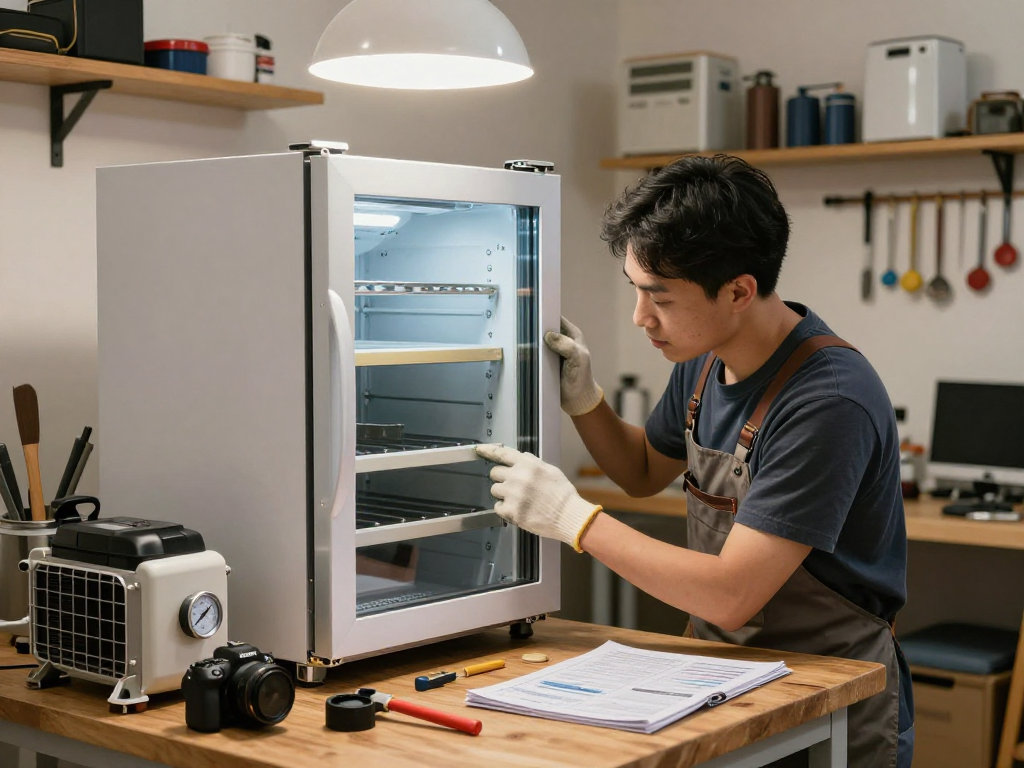
Understanding the Basics of Wine Cooler Repair
Wine coolers are essential appliances for wine enthusiasts, providing optimal conditions for aging and storing wines. When these devices malfunction, it can lead to costly consequences, including spoiled wines and costly repairs. Understanding the fundamentals of wine cooler repair is essential for homeowners looking to maintain their investment in quality wines.
What is a Wine Cooler and How Does It Work?
A wine cooler, also known as a wine fridge, is a specialized appliance designed to maintain an optimal temperature and humidity for wine storage. Most wine coolers operate using refrigeration technology, similar to traditional refrigerators, but with specific temperature controls suited for different types of wines. They typically range from 46°F to 66°F, depending on whether the wine is red or white. The internal design often includes wine racks, temperature zones, and UV-resistant glass doors to protect the wine from harmful light.
Common Issues Faced in Wine Cooler Repairs
Despite their specialized design, wine coolers can encounter several common issues:
- Temperature Fluctuations: If the wine cooler fails to maintain a consistent temperature, it can lead to spoilage.
- Noise Problems: Unusual noises, such as buzzing or grinding, often indicate mechanical issues.
- Leaking Water: Water pooling at the bottom may signal a blocked drain or faulty seals.
- Electrical Failures: If the cooler doesn’t turn on at all, there may be an issue with the power supply or internal components.
Why Regular Maintenance is Crucial for Longevity
Regular maintenance ensures that a wine cooler works efficiently and prolongs its lifespan. Scheduled cleaning, checking seals, and monitoring temperature settings can prevent many common issues. Moreover, understanding how to care for your wine cooler can save money on potential repair costs, as proactive measures can help avoid serious malfunctions.
Diagnosing Wine Cooler Problems
Identifying Symptoms of a Malfunctioning Wine Cooler
When a wine cooler starts showing signs of malfunction, identifying symptoms quickly can be crucial. Common indicators include:
- Inconsistent or incorrect temperatures
- Unusual sounds or vibrations
- Excessive condensation on the interior
- Frequent cycling on and off
Step-by-Step Guide to Troubleshooting Wine Cooler Issues
When you suspect an issue with your wine cooler, follow these troubleshooting steps:
- Check the Power Supply: Ensure the unit is plugged in and that the outlet is functioning.
- Inspect Temperature Settings: Confirm that the settings are appropriate for the type of wine stored.
- Examine the Door Seals: A faulty seal can cause temperature inconsistencies. Clean or replace seals as necessary.
- Clean the Condenser Coils: Dusty coils can hinder performance, so regular cleaning is vital.
When to Call a Professional for Help
If troubleshooting does not resolve the issue, it may be time to contact a professional. Signs that you should call for help include persistent temperature problems, weird noises indicating potential mechanical issues, or if the wine cooler is leaking. Professional technicians can diagnose and repair complex problems that are beyond DIY capabilities.
DIY Wine Cooler Repair Techniques
Essential Tools for Wine Cooler Repair
For homeowners interested in DIY repairs, having the right tools is crucial. Essential tools may include:
- Multimeter for checking electrical components
- Screwdriver set for accessing interior components
- Soft cloths and cleaning supplies for maintenance
- Vacuum cleaner with a brush attachment for cleaning condensers
Simple Repairs Homeowners Can Do Themselves
There are several simple repairs that homeowners can tackle, including:
- Replacing a blown fuse or tripped breaker
- Cleaning condenser coils to improve efficiency
- Replacing worn-out door seals to enhance insulation
Safety Tips When Handling Refrigeration Equipment
When undertaking repairs, safety is a priority. Always unplug the unit before starting any work, wear gloves to protect your hands, and avoid using metal tools that could damage fragile components. If you are unsure about a procedure, consult the owner's manual or seek professional assistance.
Cost-Effective Solutions for Wine Cooler Maintenance
Budgeting for Regular Wine Cooler Repairs
Maintaining a budget for wine cooler repairs is essential. Costs can vary, but regular maintenance and minor repairs can prevent larger expenses down the line. Homeowners should keep an annual maintenance fund based on the average repair costs for their specific unit.
Repair vs. Replacement: Making the Right Choice
When faced with a significant issue, homeowners must decide between repairing and replacing their wine cooler. Factors to consider include the age of the unit, the cost of repairs, and the potential longevity of a new appliance. Generally, if the repair cost exceeds 50% of the value of a new unit, replacement is usually the better option.
Long-Term Benefits of Investing in Professional Repairs
Investing in professional repairs can often save money in the long run. Certified technicians can diagnose and fix underlying issues that might not be apparent to homeowners, ensuring the appliance operates efficiently. This can lead to lower energy costs and a decreased risk of future breakdowns.
Future Trends in Wine Cooler Repair Services
Innovations in Wine Cooler Technology
The wine cooler industry is experiencing rapid technological advancements, including smarter temperature controls and more energy-efficient designs. Modern units often feature Wi-Fi connectivity, allowing owners to monitor and adjust settings remotely.
Predicting Future Maintenance Needs and Solutions
With advancements in technology, maintenance needs may shift to focus more on software updates and diagnostics compared to traditional mechanical repairs. Predictive maintenance software could analyze the health of the appliances and alert owners about potential issues before they become severe.
How Smart Technology is Changing Wine Cooler Repairs in 2026
As smart technology advances, wine coolers may feature apps that notify owners of maintenance needs or potential malfunction alerts. This development will simplify troubleshooting and repair processes significantly, allowing homeowners to take swift action.
What Are the Best Practices for Keeping Your Wine Cooler in Top Shape?
To prolong the life of your wine cooler, consider following these best practices:
- Regularly clean the condenser coils and interior surfaces.
- Monitor and adjust temperature settings based on the type of wine stored.
- Inspect door seals for wear and replace them promptly.
- Keep the unit level to ensure proper cooling function.
How Can I Find Reliable Wine Cooler Repair Services?
Finding a trustworthy repair service is essential for efficient and effective repairs. Look for services with positive reviews, certifications, and warranties on their work. Recommendations from friends and family can also lead you to reputable technicians.
What Should I Look for in a Wine Cooler Repair Technician?
When selecting a technician, consider their experience with wine coolers specifically, their licensing, and whether they provide a clear quote before starting work. It’s also beneficial to check their warranty policy for any repaired components.
Are There Any Warranty Considerations for Wine Cooler Repairs?
Before proceeding with repairs, check if your wine cooler is still under warranty, as this can significantly reduce costs. Many warranties cover specific parts and may even include labor. Understanding warranty policies can help you avoid unexpected expenses.
What Maintenance Tips Can Extend the Life of My Wine Cooler?
To extend the lifespan of your wine cooler, regularly clean the interior and exterior, monitor temperature settings, and ensure proper ventilation around the unit. For more information, appliance service offers valuable insights. Keeping the appliance in a stable, temperature-controlled environment can also enhance its longevity.