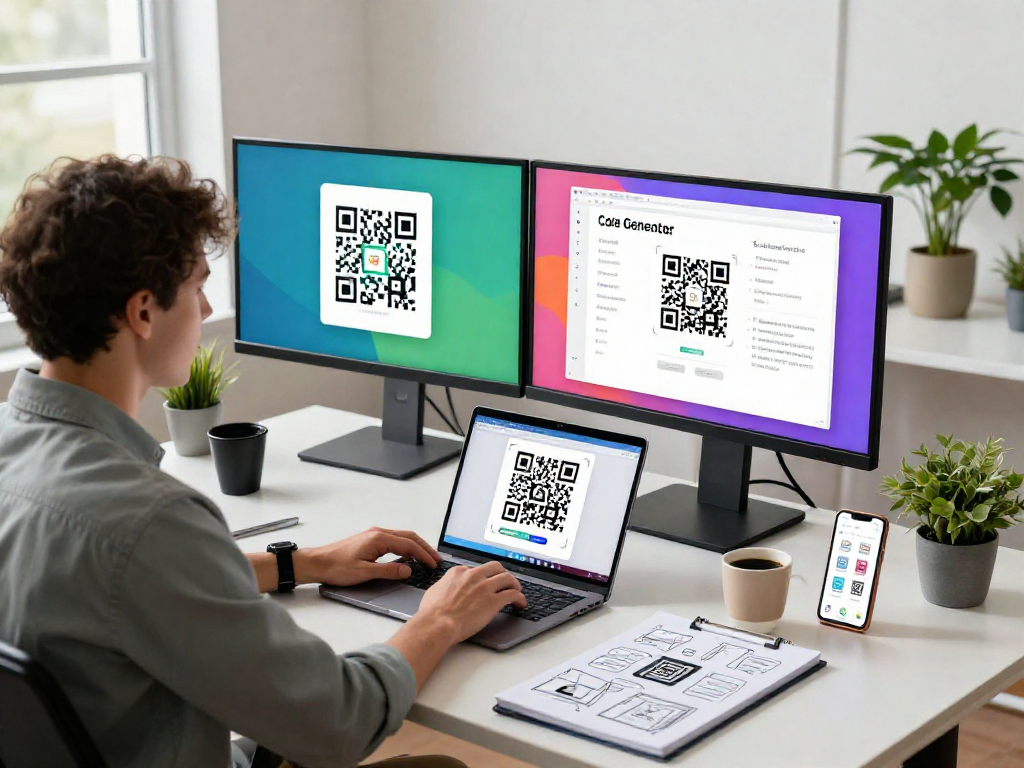
Understanding QR Code Generators
In a world where instant access to information is paramount, QR codes have emerged as a formidable tool for bridging the gap between the physical and digital realms. The ability to generate a QR code quickly and effectively has become essential for businesses, marketers, and creative individuals alike. In this article, we will explore the nuances of QR code generators, delving into their functionality, the rise of QR technology, and the benefits they offer. When exploring options, QR Code Generator platforms provide comprehensive insights that empower users to create codes tailored to their needs.
What is a QR Code Generator?
A QR code generator is an online tool that allows users to create QR codes by entering specific information, such as URLs, text, or contact details. QR codes, or Quick Response codes, are two-dimensional barcodes that can be scanned using smartphones or other QR code reading devices. These codes can link users to websites, provide product details, or even initiate actions like sending a text message. The QR code generator simplifies this process, allowing for quick creation, customization, and management of QR codes with minimal technical expertise required.
History and Evolution of QR Codes
The concept of QR codes was developed in 1994 by the Japanese company Denso Wave, primarily to track automotive parts during manufacturing. Initially embraced in industrial settings due to their ability to store vast amounts of data and be read quickly, QR codes have grown to find applications in various fields, including marketing, education, and event management. The rise of smartphones has significantly accelerated their adoption, as consumers can easily scan codes to access digital content. As of 2026, QR technology continues to evolve, integrating seamlessly with mobile payment systems, loyalty programs, and customer engagement initiatives.
Key Features of a Reliable QR Code Generator
Choosing the right QR code generator is crucial for maximizing the potential of QR technology. Here are some key features that a reliable QR code generator should offer:
- Ease of Use: The interface should be user-friendly, allowing even non-technical users to create QR codes effortlessly.
- Customization Options: Users should have the ability to customize QR codes with colors, logos, and design styles that align with their brand identity.
- Dynamic Code Capabilities: The option to create dynamic QR codes, which can be edited post-creation, allows for greater flexibility in linking to changing content.
- Analytics and Tracking: Advanced generators should provide tracking metrics like scan counts, locations, and devices used for scanning, enabling businesses to measure engagement.
- Security Features: Ensuring that generated QR codes are secure and that user data is protected is increasingly important in a digital environment.
Static vs. Dynamic QR Codes
Understanding the differences between static and dynamic QR codes is vital for selecting the appropriate QR code type for specific needs.
What are Static QR Codes?
Static QR codes are hard-coded with a specific URL or piece of information at the time of creation. This information cannot be altered once the code is generated, which means that if a link needs to change, the static QR code must be replaced. However, they are advantageous because they do not require an internet connection to function after creation, ensuring that they remain operable as long as the link they contain is active.
Advantages of Dynamic QR Codes
Dynamic QR codes, in contrast, are more versatile. They allow users to change the URL or information linked to the code even after it's been printed or shared. This is particularly useful for marketing campaigns where links may change over time. Additionally, dynamic QR codes often come with tracking capabilities, helping businesses analyze engagement and optimize their strategies based on user interactions.
Choosing the Right QR Code Type for Your Needs
When deciding between static and dynamic QR codes, consider the following:
- If your link or information is likely to change frequently, opt for dynamic QR codes.
- If you require a simple, one-time link sharing that won't change, static QR codes may suffice.
- For marketing professionals looking to track engagement, dynamic QR codes provide valuable insights through analytics.
Creating QR Codes with EZQR
EZQR offers a simple and efficient way to generate both static and dynamic QR codes, catering to various needs and industries. This section outlines the process of creating QR codes using the EZQR platform.
Step-by-Step Guide to Generating QR Codes
Creating a QR code with EZQR is straightforward. Follow these steps:
- Visit ezqr.ca and enter the desired link or information into the provided field.
- Select whether you want a static or dynamic QR code based on your requirements.
- Click on “Create QR Code.” Your QR code will be generated and available for download instantly.
- Download and save the QR code to your device in high-resolution format for printing or sharing.
Customizing Your QR Code Design
EZQR allows users to personalize the appearance of their QR codes, which can enhance brand recognition and user engagement. Customization options may include:
- Changing colors to match your brand's palette.
- Incorporating a logo or image at the center of the QR code.
- Selecting different shapes and patterns for the code itself.
Best Practices for Effective QR Code Usage
Utilizing QR codes effectively requires understanding their context and ensuring they are appealing and usable. Here are some best practices:
- Place QR codes in high-visibility areas, ensuring they can be easily scanned from a distance.
- Provide clear instructions on what the user should expect after scanning the code.
- Test the QR codes before printing to ensure they work correctly and link to the intended content.
- Include a call-to-action (CTA) that encourages users to scan the code, enhancing engagement.
Tracking and Analyzing QR Code Performance
Understanding the performance of your QR codes is essential for improving engagement and effectiveness over time. EZQR provides robust analytics tools that allow you to track how users interact with your QR codes.
Understanding QR Code Analytics
QR code analytics typically include metrics such as:
- Number of scans: Tracks how often the QR code is scanned, providing insights into its popularity.
- Geographic location of scans: Helps you understand where your audience is located, guiding future marketing efforts.
- Device and operating system data: Offers insights into the technology preferences of your audience.
- Time and date of scans: Assists in understanding peak interaction times.
How to Track QR Code Scans
To track scans using EZQR:
- Create a dynamic QR code via the EZQR platform.
- Log into your EZQR account to access analytics data.
- Review the performance metrics provided to measure engagement and adjust your strategies accordingly.
Interpreting Data for Future Campaigns
Analyzing the data from your QR code scans can help you tailor future campaigns. For instance, if certain locations show higher engagement, consider targeted promotions in those regions. Understanding device usage can also inform your web design for better accessibility across platforms.
Future Trends in QR Code Technology (2026 and Beyond)
The evolution of QR codes continues to unfold, with exciting trends emerging as technology advances and consumer behaviors shift. Here’s a glimpse into the future of QR technology.
Emerging Uses in Various Industries
From retail to healthcare, QR codes are finding innovative applications:
- Retail: QR codes may soon facilitate seamless in-store payments and personalized promotions.
- Healthcare: Patients can use QR codes to quickly access their medical records or health information.
- Event Management: QR codes can streamline guest check-ins and disperse information about events or schedules.
Innovations Enhancing QR Code Functionality
As technology progresses, the functionality of QR codes is set to improve dramatically. Potential innovations include:
- Integration with augmented reality (AR) for interactive experiences.
- Enhanced security features, such as encryption, to protect sensitive information.
- Smart QR codes that can adapt their actions based on user behavior.
Preparing for the Future of QR Codes
As we look ahead, it is crucial for businesses to remain adaptable and open to leveraging QR technology's evolving capabilities. Staying informed about trends and investing in versatile QR code solutions will be vital to tapping into their full potential.
What are the benefits of using QR codes?
QR codes offer numerous benefits, including:
- Instant access to information, making it easier for consumers to engage with brands.
- High levels of tracking and analytics, providing insights into customer behavior.
- Versatility across industries and use cases, from marketing campaigns to product labels.
Can I change a QR code after it's created?
Yes, with dynamic QR codes, you can change the destination link even after the code is created and printed, ensuring flexibility and adaptability in your campaigns.
Do QR codes expire?
Static QR codes do not expire as they encode the information directly within their pattern. However, dynamic QR codes depend on the service providing them, so it's essential to check the terms and conditions if you choose this option.