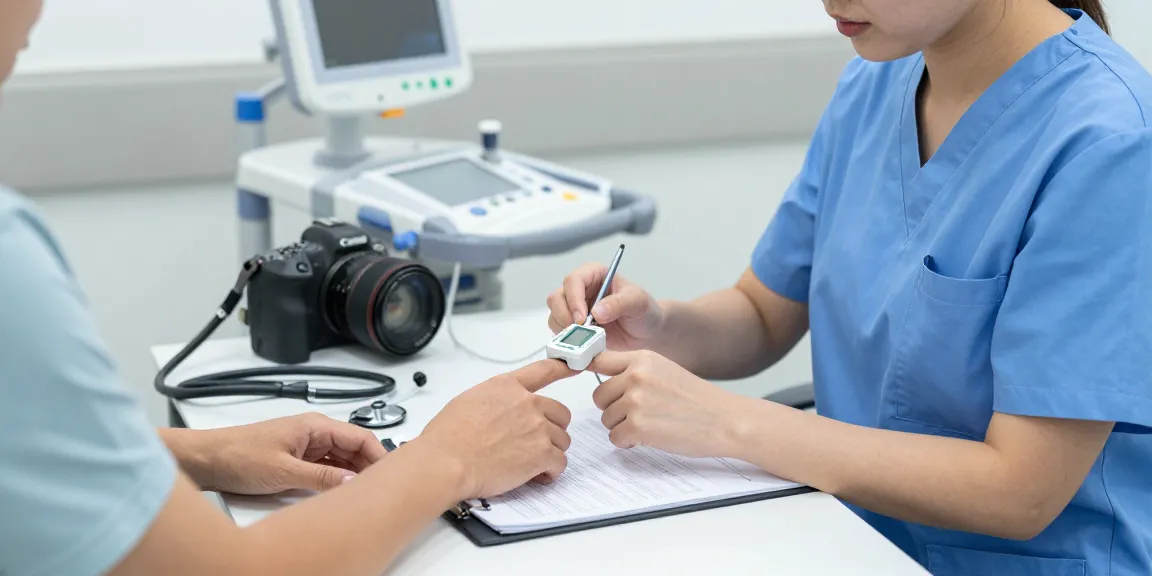
Understanding the Role of Medical Oximeters
As the healthcare landscape evolves, the demand for precise and accessible monitoring tools has surged. Among these tools, the medical oximeter stands out as a vital device for assessing arterial oxygen saturation. These devices play a crucial role in various medical settings, from hospitals to home care, enabling timely interventions and enhancing patient outcomes.
What is a Medical Oximeter?
A medical oximeter is a non-invasive device used to measure the oxygen saturation level (SpO2) of a patient’s blood. This measurement is crucial as it indicates how effectively oxygen is being transported throughout the body. The device functions by emitting light wavelengths that penetrate the skin, allowing it to assess the ratio of oxygenated to deoxygenated hemoglobin in the blood. Typically used on a fingertip or earlobe, oximeters have become indispensable in modern healthcare.
Key Features of Modern Medical Oximeters
Modern medical oximeters have evolved significantly from their earlier counterparts, incorporating advanced features that enhance their usability and accuracy. Key features include:
- Display Quality: Many oximeters now come with high-definition displays that provide clear readings, making it easier for healthcare professionals and patients alike to interpret data.
- Connectivity: Bluetooth and Wi-Fi capabilities allow for real-time data sharing with healthcare providers, enabling remote monitoring and timely interventions.
- Multi-parameter Monitoring: Some advanced models can also measure pulse rate and perfusion index, providing a more comprehensive view of a patient’s health status.
- Battery Life: Extended battery life and rechargeable options enhance the convenience of using the device in home settings.
Importance in Healthcare Settings
The significance of medical oximeters in healthcare cannot be overstated. They are vital in various scenarios, including:
- Emergency Care: Quick and accurate readings can guide immediate treatment decisions in emergency situations, especially in cases of respiratory distress.
- Chronic Disease Management: Patients with conditions like COPD or asthma require regular monitoring to manage their oxygen levels effectively.
- During and After Surgery: Monitoring oxygen saturation is critical during surgeries to ensure patient safety and detect complications early.
How Medical Oximeters Work
Principles of Pulse Oximetry
Pulse oximetry is based on the principle of spectrophotometry, which measures the absorbance of light by hemoglobin in the blood. The device uses two wavelengths of light: red and infrared. Oxygenated hemoglobin absorbs infrared light more effectively, while deoxygenated hemoglobin absorbs red light. By comparing the ratio of light absorbed at these wavelengths, the oximeter calculates the oxygen saturation level.
Reading and Interpreting Oximeter Data
Interpreting the data obtained from an oximeter is straightforward. A typical reading will indicate the SpO2 level as a percentage, where:
- 95% - 100%: Normal oxygen saturation levels for healthy individuals.
- 90% - 94%: May indicate mild hypoxemia, requiring monitoring.
- Below 90%: Generally considered low, necessitating immediate medical evaluation.
Additionally, the device may display pulse rate, which helps assess the patient’s cardiovascular stability.
Common Applications in Patient Monitoring
Medical oximeters are ubiquitous in patient monitoring across various settings, including:
- ICU and Critical Care: Continuous monitoring of critically ill patients ensures prompt detection of any decline in oxygen levels.
- Home Health Care: Patients requiring long-term oxygen therapy can utilize oximeters to manage their health proactively.
- Sports Medicine: Athletes often use oximeters to monitor their performance and adjust training accordingly.
Best Practices for Using Medical Oximeters
Preparing Patients for Accurate Measurements
To obtain accurate readings from a medical oximeter, proper patient preparation is essential. Factors such as ambient light, movement, and even nail polish can interfere with measurements. Here are best practices:
- Ensure the patient is calm and at rest for at least five minutes before taking a reading.
- Remove any nail polish or artificial nails from the finger being tested.
- Avoid exposure to bright lights during the measurement process.
Maintaining Equipment for Optimal Performance
Regular maintenance of oximeters is necessary to ensure their accuracy and longevity. Key maintenance tips include:
- Cleaning the sensor and housing with appropriate disinfectants after each use.
- Performing routine calibration checks as per manufacturer guidelines.
- Storing the device in a dry, protected environment to prevent damage.
Training Healthcare Professionals on Equipment Usage
Proper training for healthcare professionals is crucial for effective use. Training should cover:
- Understanding the device's features and functionalities.
- Interpreting SpO2 readings in the context of clinical symptoms.
- Recognizing when to escalate care based on oximeter readings.
Challenges and Misconceptions Surrounding Oximeters
Addressing Common Misunderstandings
Despite their widespread use, there are several misconceptions surrounding medical oximeters:
- Myth: Oximeters are infallible.
- Fact: While they are reliable, factors like poor circulation or skin pigmentation can affect readings.
It is vital for users to understand these limitations and not solely rely on oximeters for health assessments.
Challenges in Remote Monitoring
With the rise of telemedicine, using oximeters for remote patient monitoring presents unique challenges:
- Connection issues can hinder real-time data transmission.
- Patients may lack the understanding required to take proper measurements at home.
Ensuring Accurate Readings in Diverse Populations
Medical oximeters may not provide the same level of accuracy across different ethnic groups due to varying skin pigmentation. This inconsistency necessitates:
- Further research to develop more inclusive devices.
- Increased training for healthcare providers on interpreting readings from diverse populations.
The Future of Medical Oximeters
Technological Innovations Expected by 2026
The future of medical oximeters is promising, with anticipated technological innovations such as:
- Wearable Technology: Integration into smartwatches and fitness trackers for continuous health monitoring.
- Improved Algorithms: Enhanced data algorithms for more accurate readings across all demographics.
Integration with Telemedicine and AI
As telemedicine expands, medical oximeters will likely integrate with AI systems for predictive analytics. This advancement will allow:
- Proactive health interventions based on real-time data.
- Personalized treatment plans powered by machine learning algorithms analyzing patient data.
Trends in Patient-Centric Care Solutions
The shift towards patient-centric care is shaping the development of medical oximeters. Future trends may include:
- Devices that provide feedback on lifestyle changes, such as exercise and diet, based on oxygen saturation data.
- Mobile applications that allow users to track their readings and gain insights into their health over time.
What can patients expect from Oximeters in the next 5 years?
In the next five years, patients can expect:
- Increased accessibility features, making it easier for diverse populations to use these devices effectively.
- Oximeters that can sync with other health monitoring devices for a more holistic approach to personal health management.
Are medical oximeters safe to use at home?
Yes, medical oximeters are generally safe for home use. However, patients should consult healthcare providers for guidance on proper usage and interpretation of results to avoid unnecessary anxiety or miscommunication about health status.
How do I choose the right medical oximeter?
When choosing a medical oximeter, consider the following factors:
- Accuracy: Look for devices with a proven track record of accuracy in clinical settings.
- Features: Consider additional features like multi-parameter monitoring and connectivity options for data sharing.
- Usability: Ensure the device is easy to use for the intended demographic, whether that be children, adults, or seniors.
Can I rely on oximeters for accurate health monitoring?
While medical oximeters are reliable tools, they should not be the sole method of health monitoring. Regular consultations with healthcare professionals are essential for comprehensive health assessment and management.
What are the limitations of medical oximeters?
Despite their advantages, medical oximeters have limitations, such as:
- Inability to differentiate between types of respiratory distress.
- Potential inaccuracies in patients with poor peripheral circulation or skin pigmentation differences.
When should I consult a doctor if my readings are abnormal?
If your SpO2 readings are consistently below 90%, it is critical to consult a healthcare provider. Additionally, if abnormalities are accompanied by symptoms such as shortness of breath or chest pain, seek medical attention immediately.